

In an era where sustainability is becoming an essential aspect of our lives, the adoption of Off Grid Solar Power systems has gained immense traction. These systems not only provide an independent source of energy but also significantly reduce our carbon footprint. As noted by Dr. Emily Carter, a leading expert in renewable energy, "Off Grid Solar Power represents a remarkable opportunity for individuals to reclaim their energy independence while contributing positively to the environment." This sentiment resonates strongly within communities striving for sustainable living.
The benefits of Off Grid Solar Power systems extend far beyond mere energy efficiency; they encompass economic savings, environmental preservation, and a newfound sense of autonomy. By harnessing the sun's energy, households can operate without reliance on traditional power grids, making them less vulnerable to fluctuations in energy prices and outages. Furthermore, these systems promote a sustainable lifestyle, fostering a greater appreciation for natural resources and encouraging responsible consumption.
As we explore the top 10 benefits of Off Grid Solar Power systems, it becomes clear that this innovative approach not only empowers individuals but also plays a crucial role in shaping a more sustainable future for generations to come. Embracing Off Grid Solar Power is more than an energy choice; it's a lifestyle commitment toward a healthier planet.
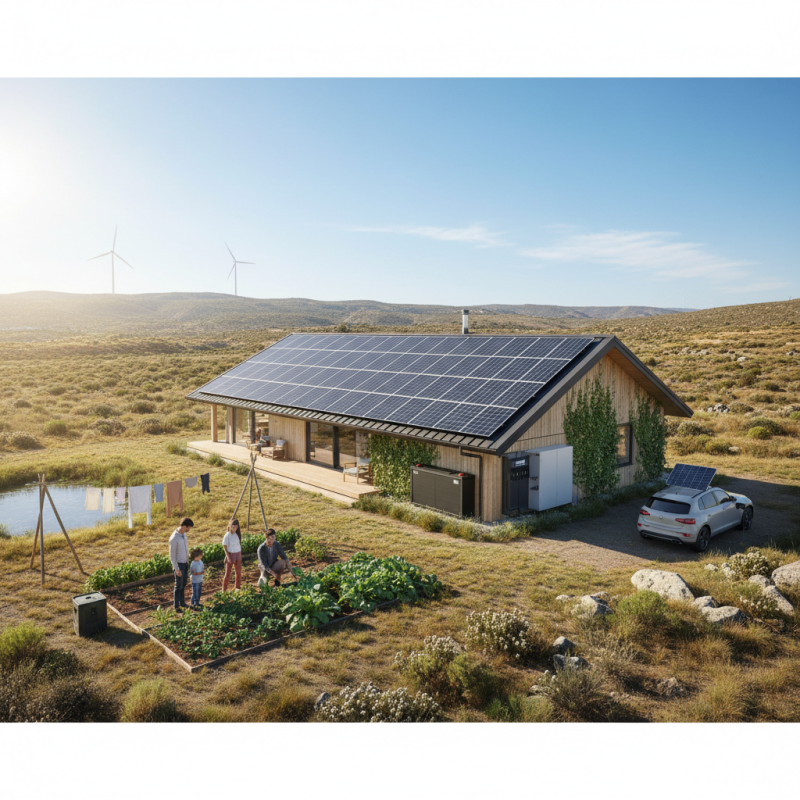
Off grid solar power systems empower individuals and communities by providing energy independence, a fundamental aspect of sustainable living. By harnessing solar energy, people can produce their own electricity without relying on centralized power grids or fossil fuels. This autonomy not only minimizes monthly energy costs but also protects users from fluctuations in energy prices, allowing for long-term financial stability. Furthermore, off grid systems enable users to generate power in remote locations, making them ideal for rural living, camping, or emergency preparedness.
The benefits of achieving energy independence extend beyond economics; they contribute to a more resilient and sustainable lifestyle. By relying on renewable energy sources, individuals reduce their carbon footprint while promoting environmental health. This shift towards self-sufficiency fosters a deeper connection with renewable resources and encourages communities to adopt more sustainable practices. In a world increasingly aware of the implications of climate change, off grid solar power systems represent a proactive approach to energy consumption, allowing users to take control of their power needs while championing eco-friendly living.
| Benefit | Description |
|---|---|
| Energy Independence | Reduced reliance on grid electricity, leading to self-sufficiency. |
| Lower Energy Bills | Significantly reduce or eliminate monthly energy costs. |
| Environmental Benefits | Reduces carbon footprint and minimizes environmental impact. |
| Energy Storage | Allows for the storage of excess energy for use during cloudy days or at night. |
| Off Grid Living | Ideal for remote locations without access to traditional power lines. |
| Increased Property Value | Installing solar systems can increase the value of your property. |
| Job Creation | Supporting the solar industry can create local job opportunities. |
| Durability and Low Maintenance | Solar panels have a long lifespan and require minimal maintenance. |
| Government Incentives | Potential tax credits and rebates available for solar system installations. |
| Resilience | Increased energy security during natural disasters or grid failures. |
Off-grid solar power systems offer significant cost savings for individuals seeking sustainable living solutions. By harnessing solar energy, households can drastically reduce or even eliminate their dependence on traditional utility providers. Once the initial installation costs are covered, which are becoming increasingly affordable, the ongoing expenses associated with electricity bills diminish. This reduction leads to improved financial stability over time, as homeowners can allocate funds that would have been spent on energy toward other essential areas of their lives.
Moreover, off-grid systems can provide long-term economic benefits beyond just lower monthly bills. These systems can increase property value, especially in regions where renewable energy sources are becoming more desirable. Additionally, by producing their own energy, homeowners are insulated from rising utility rates and fluctuations in energy prices, making their financial planning more predictable. The ability to generate free power after the initial investment truly exemplifies a sustainable living ethos, ensuring that financial savings complement environmental stewardship.
This chart illustrates the various benefits of off grid solar power systems for sustainable living. Each benefit is rated on a scale from 1 to 10, providing insight into their significance and impact on sustainability efforts.
Off-grid solar power systems are increasingly recognized for their potential to significantly reduce environmental impact. By harnessing solar energy, these systems minimize reliance on fossil fuels, which are a major contributor to greenhouse gas emissions. When households and communities choose to generate their own energy, they directly reduce their carbon footprint, leading to cleaner air and a healthier ecosystem. Additionally, the use of solar energy helps decrease water consumption and pollution associated with traditional energy generation methods, preserving vital water resources and supporting biodiversity.
Moreover, off-grid solar power contributes to sustainable living by promoting energy independence. When communities are no longer tethered to centralized energy grids, they can better withstand fluctuations in energy prices and supply disruptions caused by environmental changes or geopolitical conflicts. This independence not only empowers individuals and communities but also fosters a more resilient and sustainable environment. The localized energy production facilitated by off-grid systems further minimizes energy loss during transmission, ensuring that the energy generated is used efficiently and sustainably. As such, off-grid solar solutions stand out as a vital component in the global movement towards environmentally responsible living.
Off-grid solar power systems serve as a cornerstone for enhancing resilience and emergency preparedness in sustainable living. These systems allow individuals and communities to harness renewable energy, providing a dependable power source that operates independently of the conventional grid. During natural disasters or unforeseen emergencies, access to reliable electricity can be life-saving. Solar power systems ensure that essential services, such as communication, food preservation, and medical equipment, remain functional even when traditional power sources fail.
Moreover, integrating off-grid solar solutions into daily life fosters a sense of autonomy and security. With the ability to generate power onsite, households reduce their dependence on external energy supplies that may be disrupted due to storms, outages, or geopolitical issues. This self-sufficiency not only empowers individuals but also enhances community resilience, allowing neighborhoods to band together during crises. In times of uncertainty, off-grid solar systems symbolize a proactive approach to ensuring that homes remain powered, supporting both safety and sustainability in the face of adversity.
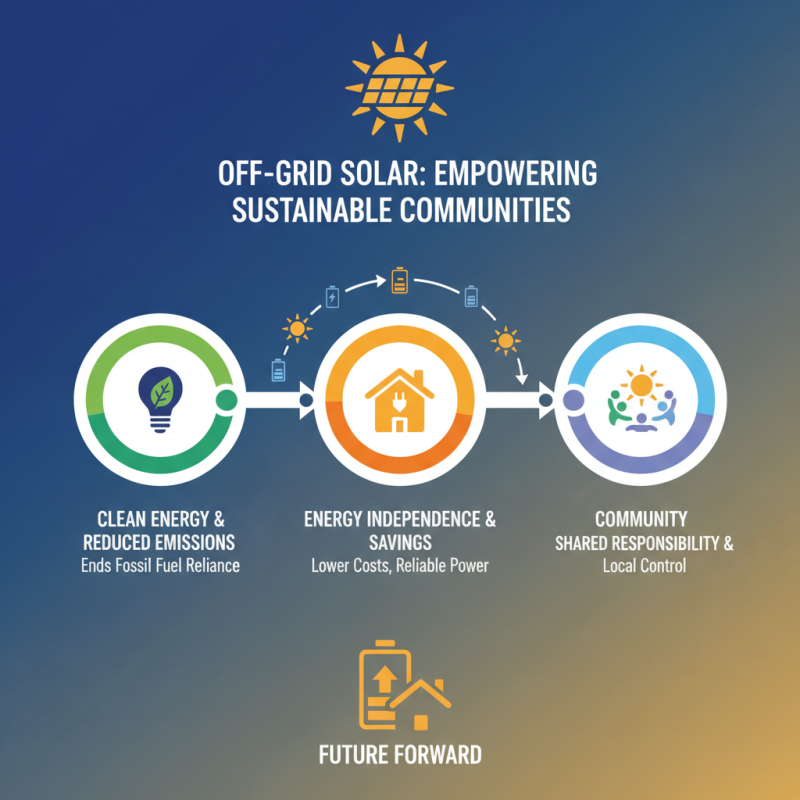
Off-grid solar power initiatives play a pivotal role in fostering sustainable communities by providing clean, renewable energy solutions that significantly reduce dependence on fossil fuels. These systems empower local populations by enabling energy independence, allowing them to harness natural sunlight and convert it into electricity without relying on conventional power grids. This autonomy not only lowers energy costs but also encourages community engagement and collaboration in managing energy resources sustainably. By adopting off-grid solar solutions, communities can actively participate in decisions regarding energy use and distribution, fostering an environment of shared responsibility and collective improvement.
Additionally, off-grid solar power systems contribute to resilience in the face of climate change and energy shortages. By diversifying energy sources, these systems enhance energy security and mitigate the impact of fluctuating energy prices. Communities that invest in off-grid solar initiatives often experience reduced vulnerability to natural disasters, as solar technology can provide a reliable power supply during emergencies. This resilience is vital for sustaining local economies and maintaining essential services, which further strengthens community ties. As more communities embrace these initiatives, they not only improve their environmental footprint but also pave the way for a sustainable future rooted in renewable energy efforts.