

The rise in popularity of Off Grid Solar Power solutions for homes has transformed energy independence. According to a recent industry report by Solar Energy International, the demand for off-grid systems has surged by over 30% in the last five years. This growth signifies a significant shift towards sustainable living and energy reliability, especially in remote areas.
Experts highlight the importance of these innovative solutions. Dr. Linda Greene, a renowned expert in renewable energy, emphasizes, "Off grid solar power enables families to thrive without the constraints of traditional utility sources." This statement reflects the potential of solar technology to revolutionize how we think about energy consumption.
However, challenges persist. High installation costs and a steep learning curve for users can be barriers. Additionally, the efficiency of solar systems can vary based on location and weather patterns. It’s essential for potential users to evaluate their needs thoroughly. A thoughtful approach to adopting Off Grid Solar Power ensures that families can harness its benefits effectively while navigating its complexities.
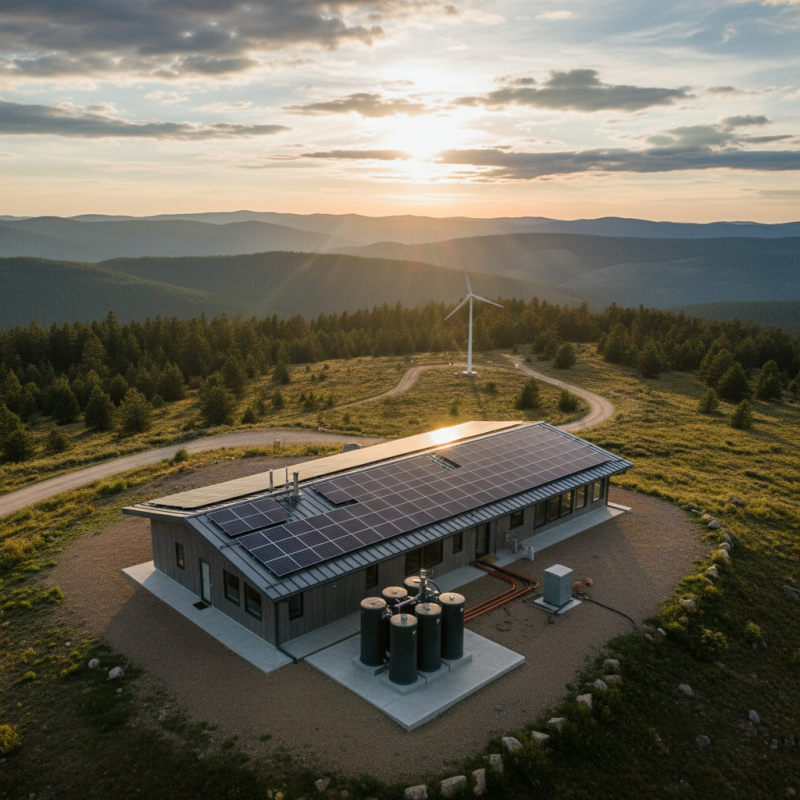
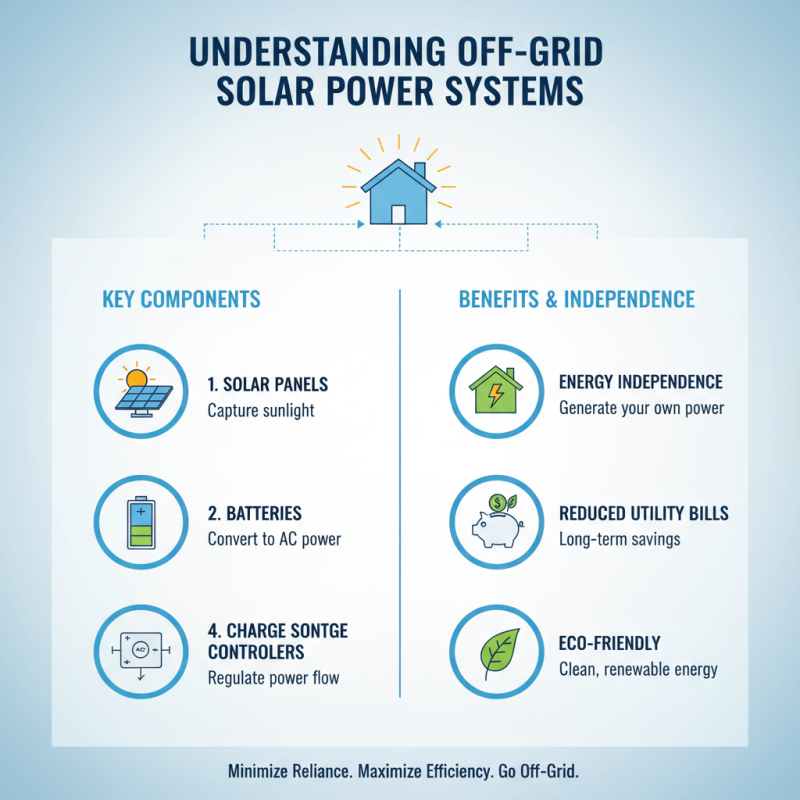
Off-grid solar power systems are becoming increasingly popular for homeowners looking for energy independence. These systems allow you to generate and store your own electricity, minimizing reliance on traditional utility services. When choosing an off-grid solution, several components are essential: solar panels, batteries, inverters, and charge controllers. Each part plays a vital role in ensuring the efficiency and reliability of your system.
Understanding the balance between energy usage and production is crucial. Many homeowners underestimate their daily energy needs. This miscalculation can lead to inadequate power supply, leaving you in the dark. Additionally, battery capacity must be assessed carefully. A larger storage capacity can offer greater resilience during cloudy days or extended outages. However, this requires a more substantial initial investment, and not all homeowners can afford this upfront cost.
Maintenance of off-grid systems is another consideration. Regular checks on battery health and solar panel cleanliness are necessary for optimal performance. Neglect can lead to decreased efficiency. It's also advisable to stay informed about advancements in solar technologies. Newer options may offer better energy efficiency and longer lifespans. Engaging with knowledgeable community resources or local workshops can provide valuable insights. This hands-on approach fosters a deeper understanding of solar systems and their unique challenges.
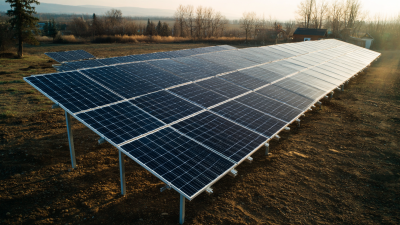
When considering off-grid solar power solutions, understanding the key components is essential. Solar panels serve as the system's backbone. They capture sunlight and convert it into electricity. The efficiency of these panels can significantly impact energy production. Factors like shading and orientation play a role in their performance. Choosing the right location for installation needs careful thought.
Next, a battery storage system is crucial. Batteries store energy generated during sunny days for use at night or during cloudy weather. Not all batteries are created equal. Some have longer lifespans but may require more upfront investment. Regular maintenance is also necessary to ensure they operate effectively. Users often overlook this aspect.
An inverter is the final piece of the puzzle. It converts DC electricity from solar panels into AC electricity for home use. Inverters can vary in quality and efficiency. A reliable inverter can make a significant difference in overall system performance. Users should be aware of potential compatibility issues between components. Careful research helps avoid pitfalls and enhances the effectiveness of your off-grid solar solution.
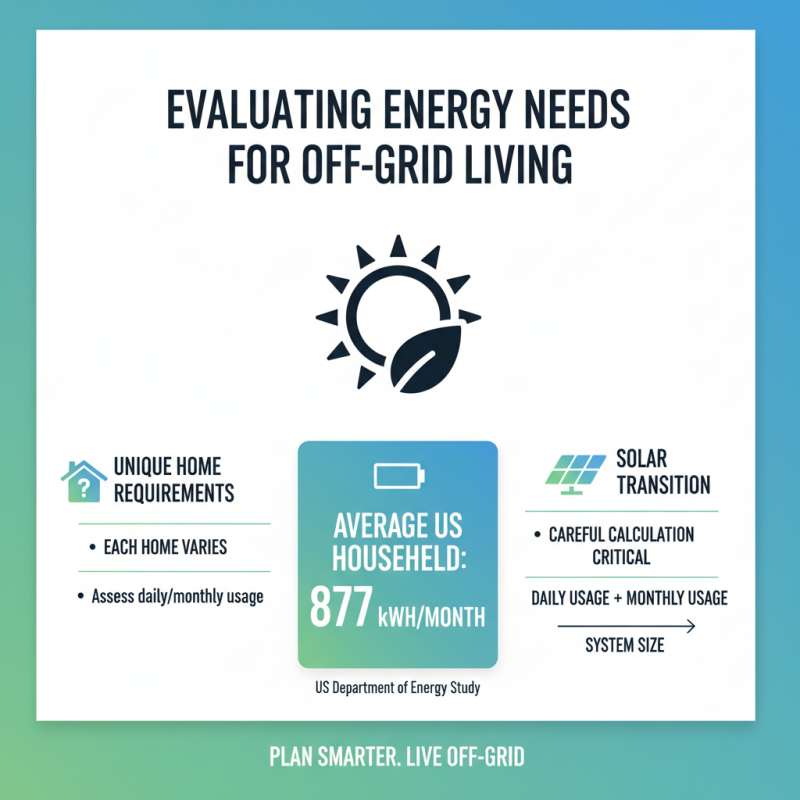
When considering off-grid living, evaluating your energy needs is essential. Each home has unique energy requirements. A study by the U.S. Department of Energy indicates that an average household consumes about 877 kWh per month. Transitioning to solar power requires careful calculation of your daily and monthly usage.
Start by assessing your essential appliances. Think about what you really need. For instance, a refrigerator may consume around 150-300 watts, while LED lights need only 10-20 watts. Create a list of devices and their wattages. Be realistic about your consumption habits. Many underestimate how much energy their electronics use, leading to insufficient solar solutions.
Additionally, consider your local climate. The solar potential varies significantly. Areas with abundant sunlight can generate more energy. In contrast, regions with prolonged rainy seasons may require larger storage capacities. The National Renewable Energy Laboratory reports that optimal solar exposure can increase energy output by 30%. Acknowledging these factors will guide you in selecting the right system. Calculate your needs and adjust your expectations based on real-world data.
When considering off-grid solar power, you must evaluate installation requirements carefully. The location of your solar panels is crucial. Ideally, they need full sun exposure. Trees, buildings, or other structures might obscure sunlight. A professional site assessment can help identify the best placement.
Think about your energy needs. Calculate the total wattage of appliances you'll use. This will guide you in choosing the right battery and inverter system. Remember, batteries have a limited lifespan and need regular maintenance. Ensure that the installation area is safe and accessible for future checks.
Local regulations play a significant role. Check if you need permits before installation. Some areas have guidelines on panel placement and battery storage. Ignoring these can lead to fines or project delays. Also, consider community feedback. Engaging neighbors can foster support for your off-grid system. Planning ahead makes a significant difference in your overall experience.
Maintaining an off-grid solar system is essential for optimal performance. Regular inspection of solar panels is a key step. Look for dirt, debris, or any shade-causing obstacles. Clean panels with a soft cloth and mild soap, if necessary. Doing this can boost efficiency by up to 20%.
Battery care is equally crucial. Ensure that batteries are charged regularly. Inspect connections for corrosion or wear. Replace any damaged components to avoid power shortages. Monitor battery levels to prevent deep discharges, as this can shorten lifespan.
Inverter maintenance should not be overlooked. Check the inverter for overheating signs. Ensure that it is well-ventilated and free from dust. Regularly update the firmware if your inverter supports it. Adopting these practices can enhance reliability, even if the system isn’t perfect. Remember, no system is foolproof, and occasional troubleshooting will be necessary.