

Shopping cart

close
Tel : 94870 36000, 94860 36000, 94890 36000

How to Choose the Best Solar Power Water Heater for Your Home?

As the demand for renewable energy grows, many homeowners are considering a Solar Power Water Heater. According to the U.S. Department of Energy, solar water heating systems can reduce water heating bills by 50% to 80%. However, choosing the right one can be challenging.

Experts suggest evaluating your home’s energy needs and available sunlight. John Anderson, a solar energy consultant, states, "Selecting the right Solar Power Water Heater can significantly enhance energy efficiency while lowering costs." This emphasizes the need for careful consideration in your decision-making.

In a market filled with options, selecting the best Solar Power Water Heater requires understanding your specific requirements. Factors such as size, location, and local climate can vastly influence performance. While reviewing options, note that not all systems are equal. It’s crucial to weigh the pros and cons before making a final choice, ensuring the decision aligns with both your budget and lifestyle.
How to Choose the Best Solar Power Water Heater for Your Home?

Understanding Solar Power Water Heaters and Their Benefits
How to Choose the Best Solar Power Water Heater for Your Home?

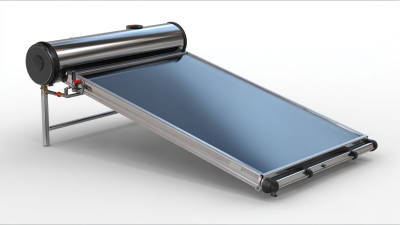
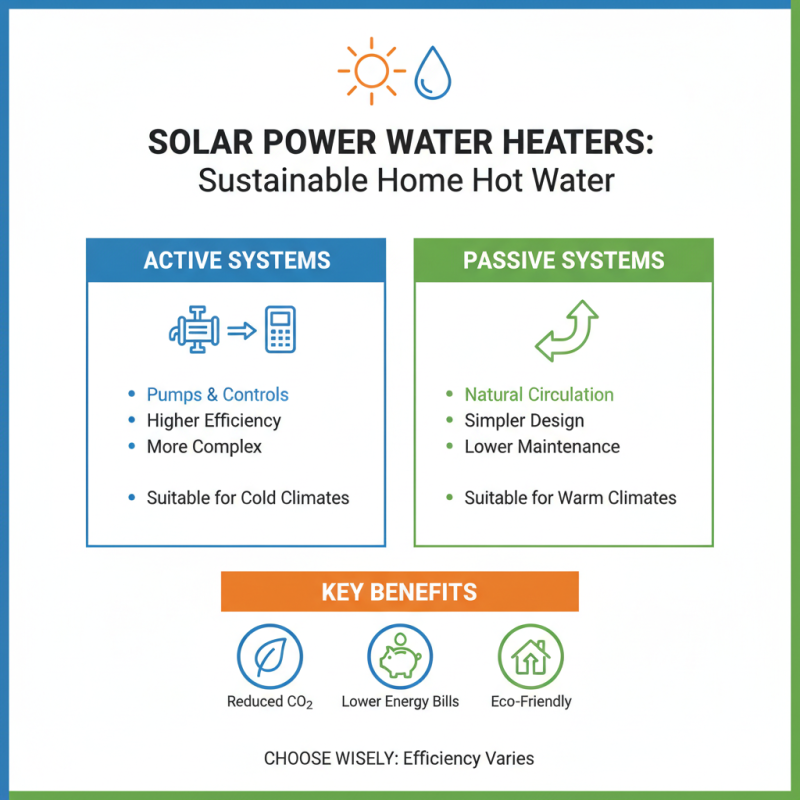
Solar power water heaters harness sunlight to heat water for domestic use. These systems are designed to reduce energy costs and minimize environmental impact. Typically, there are two types: active and passive systems. Active systems use pumps and controls, while passive systems rely on natural circulation. Choosing the right system can be daunting, as efficiency varies widely.

The benefits of solar power water heaters are significant. They decrease reliance on fossil fuels, which is vital for environmental health. Additionally, many systems can last over 20 years with proper maintenance. However, upfront costs can be high, and homeowners may hesitate to invest. Maintenance needs can also vary. Regular checks are necessary to keep the system functioning optimally. A poorly maintained heater can lead to inefficiencies and increased energy consumption.

Understanding local climate is crucial. Areas with consistent sunlight benefit the most. In contrast, regions with frequent cloud cover may struggle for optimal performance. Assessing your specific hot water needs is also important. A family with high hot water demand may require a more substantial system. Consider these factors carefully to ensure you make the best choice.

Evaluating Your Home's Hot Water Needs and Usage Patterns

Evaluating your home's hot water needs is essential. Start by assessing your household size. More occupants typically mean higher hot water demand. Consider the specific tasks that require hot water, such as bathing, cleaning, or cooking. Identify peak usage times. This can help determine the capacity you need for your solar water heater.

Usage patterns also play a significant role in your decision. Do you have consistent hot water needs throughout the day? Or do you experience spikes during certain hours? Understanding these patterns can help with efficiency. A system that suits sporadic usage may differ from one that caters to continuous demand. Keep in mind that local climate conditions affect hot water availability. Reflect on how weather changes might impact your energy consumption. Balancing these factors will lead to a more informed choice, even if it requires some trial and error.

Key Features to Consider When Selecting a Solar Water Heater

When choosing a solar power water heater, consider its efficiency. Look for models with high energy ratings. A more efficient system heats water faster. This saves you time and energy costs.


Consider the tank size. A larger tank suits bigger families. Smaller homes may require only a modest size. Ensure it meets your daily hot water needs.


Tips: Evaluate your local climate. Some systems perform better in sunny regions. Cold climates might require different setups. Always check installation requirements. A poor installation can lead to decreased efficiency.


Next, think about maintenance. Some models need regular check-ups. Others exhibit low maintenance needs. Consider your lifestyle and ability to handle upkeep. Sometimes, the simplest option can work best. It is essential to reflect on your choices carefully.

Types of Solar Water Heaters: Direct vs. Indirect Systems

When choosing a solar water heater, understanding the different types is crucial. Direct systems heat water directly using solar energy. This is efficient but may not perform well in freezing temperatures. As a result, they may not be suitable for colder climates. Direct systems are often simpler and cheaper to install, which can be a significant advantage for many homeowners.

Indirect systems, on the other hand, use a heat transfer fluid that circulates through the solar collectors. This fluid transfers heat to the water in a storage tank. They perform better in colder climates since they don't risk freezing. However, they can be more complex and slightly more costly to install. You need to weigh these factors based on your local climate.

Tip: Assess your climate carefully. If you live in an area with freezing conditions, an indirect system might be the best choice.

Tip: Think about space. Direct systems require less space than indirect ones. Measure your available rooftop or yard area before deciding.

Choosing could feel overwhelming. Reflect on your family's water usage. This impacts the size of the system you will need. Explore and compare options. Don't rush into a decision, as this choice impacts long-term energy savings.

Installation Requirements and Maintenance Tips for Homeowners

How to Choose the Best Solar Power Water Heater for Your Home?

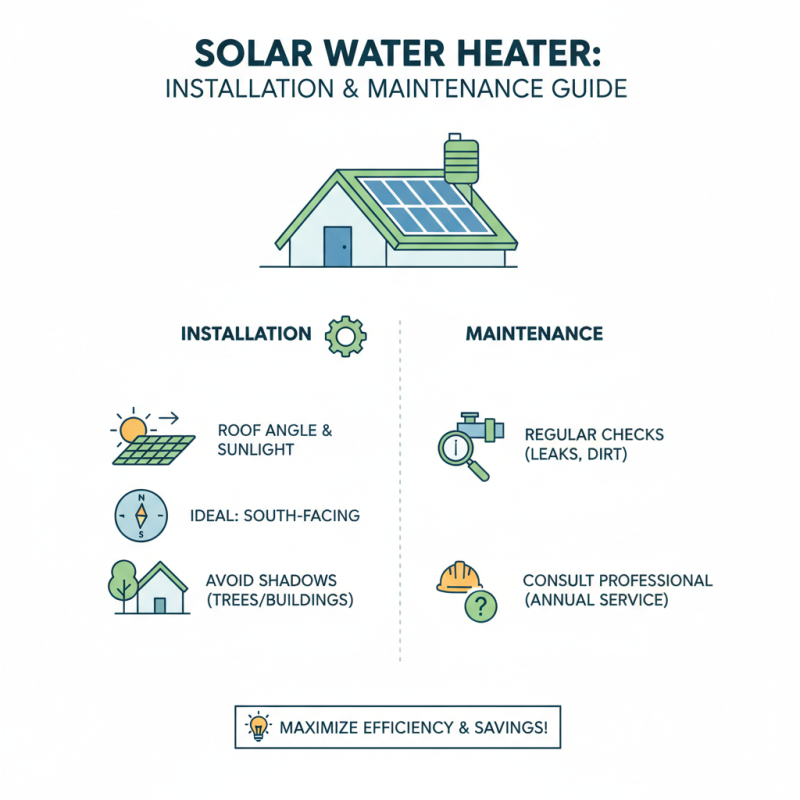
When considering a solar power water heater, installation and maintenance are key. Assess your roof's angle and sunlight exposure. Ideally, the system should face south. Shadows from trees or buildings can hamper performance. If unsure, consult a professional.

Maintenance is crucial for efficient operation. Regularly check for dirt or debris on the panels. Clean them gently to avoid scratches. Inspect the pipes for any signs of leaks. Small leaks can lead to bigger problems.

Occasionally, check the water temperature. If it's not heating as expected, adjustments may be necessary. Sometimes, there may be minor issues that could complicate things. Keep an eye on the collector for corrosion or damage. This helps maintain efficiency in the long run.

Contact Us
close slider
Scroll To Top