2025 How to Choose the Best Solar Power System for Your Home
As the demand for clean and renewable energy sources continues to rise, many homeowners are considering the installation of a Solar Power System to reduce their carbon footprint and energy bills. According to Dr. Emily Hart, a leading expert in solar energy technology, "Choosing the right Solar Power System is crucial for maximizing efficiency and ensuring long-term savings." With the advancements in solar technology and various options available in the market, selecting the right system can be a daunting task.
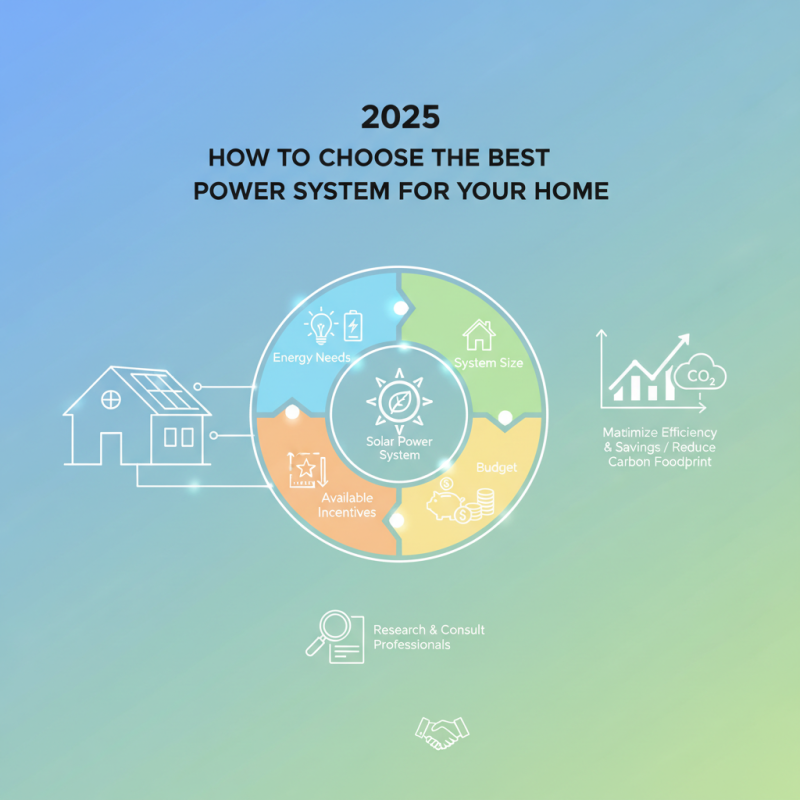
Homeowners must consider factors such as energy needs, system size, budget, and available incentives when evaluating different Solar Power System options. It is essential to conduct thorough research and consult with industry professionals to determine which system aligns best with individual requirements. In this guide, we will explore the key elements to consider when choosing the best solar power solution for your home, helping you make an informed decision that will benefit both your household and the environment in the years to come.
Factors to Consider When Selecting a Solar Power System
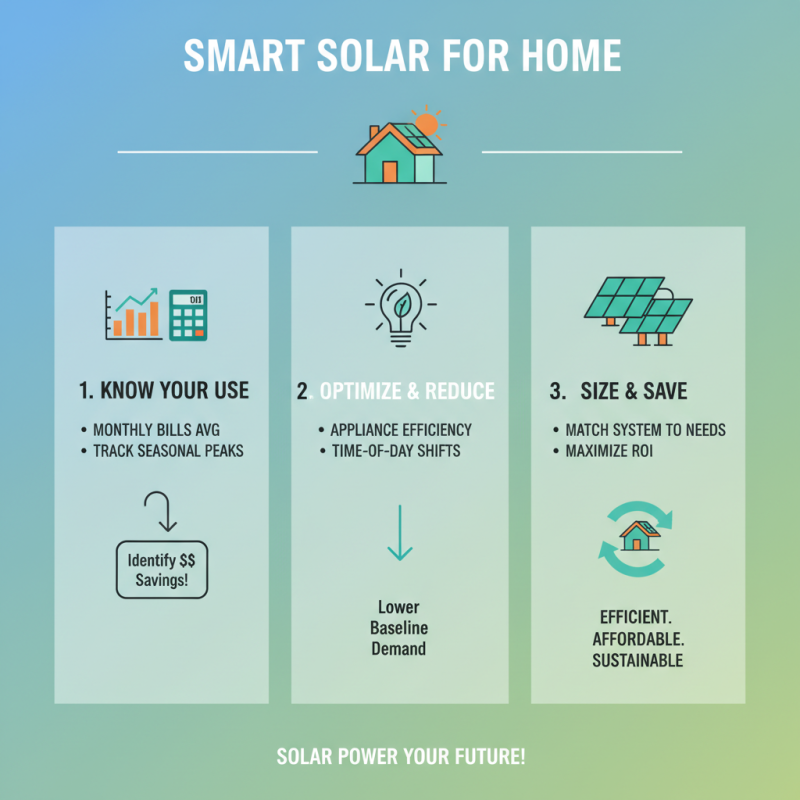
When selecting a solar power system for your home, one of the primary factors to consider is your energy consumption. Understanding how much energy you use on a daily basis will help you determine the size of the solar power system you need. This involves reviewing past energy bills to assess average usage and considering seasonal variations, which can affect overall consumption. Additionally, evaluating the orientation and shading of your roof can significantly influence the efficiency of solar panels. A south-facing roof with minimal shade typically yields the best results, maximizing energy capture throughout the day.
Another critical factor is the type of solar technology you choose. There are generally two main types of solar panels: monocrystalline and polycrystalline. Monocrystalline panels tend to have higher efficiency and a longer lifespan, making them a popular option for homeowners with limited roof space. Conversely, polycrystalline panels are often more affordable but may require a larger area to produce the same amount of power.
Beyond panel type, it’s essential to consider the inverter system, battery storage options, and local incentives or rebates that can affect the overall cost and return on investment for your solar energy system. These factors can help ensure that you select a solar power system that fits your needs and provides long-term savings.
Understanding Your Energy Needs and Usage Patterns
When considering a solar power system for your home, understanding your energy needs and usage patterns is crucial. Start by evaluating your monthly electricity bills to determine your average consumption. Tracking your energy usage over different seasons can help you identify peak times and areas where you can reduce consumption. This knowledge not only aids in sizing your solar system effectively but also in reducing costs related to energy consumption.
**Tip:** Keep a detailed log of your daily energy habits. Note when and how you use electricity—whether it's for heating, cooling, or running appliances. This will give you insight into how much energy you might need to generate with solar panels.
Next, consider the number of occupants in your home and their habits. A household with multiple high-energy devices, such as HVAC systems, electric vehicles, or numerous electronic devices, will have different needs than a smaller, more energy-efficient home. Understanding these nuances helps in making informed decisions about the capacity of your solar power system.
**Tip:** Engage family members in discussions regarding energy use. Encouraging efficient practices, such as reducing usage during peak hours or utilizing energy-saving appliances, can further optimize your home's energy profile.
Types of Solar Power Systems: Grid-Tied vs. Off-Grid
When choosing a solar power system for your home, understanding the differences between grid-tied and off-grid systems is crucial. Grid-tied solar systems are connected to the local utility grid, allowing homeowners to draw electricity from the grid when solar production is insufficient, such as during cloudy days or at night.
According to the Solar Energy Industries Association (SEIA), grid-tied systems accounted for over 90% of residential solar installations in the United States in 2022, largely due to their cost-effectiveness and minimal maintenance requirements. These systems enable users to take advantage of net metering policies, wherein excess electricity is sold back to the grid, thereby offsetting utility costs.
In contrast, off-grid solar power systems are completely independent of the utility grid. They typically include larger battery storage systems to ensure a stable power supply, which is particularly beneficial for remote locations or for those looking for complete energy autonomy. A report from the National Renewable Energy Laboratory (NREL) suggests that while off-grid systems can entail higher upfront costs—approximately 20-30% more than grid-tied systems—they provide homeowners with resilience during power outages and can eliminate the risk of rising energy prices. As energy independence becomes a growing concern among consumers, off-grid solar options are gaining traction, especially in rural or disaster-prone areas where grid reliability may be an issue.
Evaluating Solar Panel Efficiency and Quality Ratings
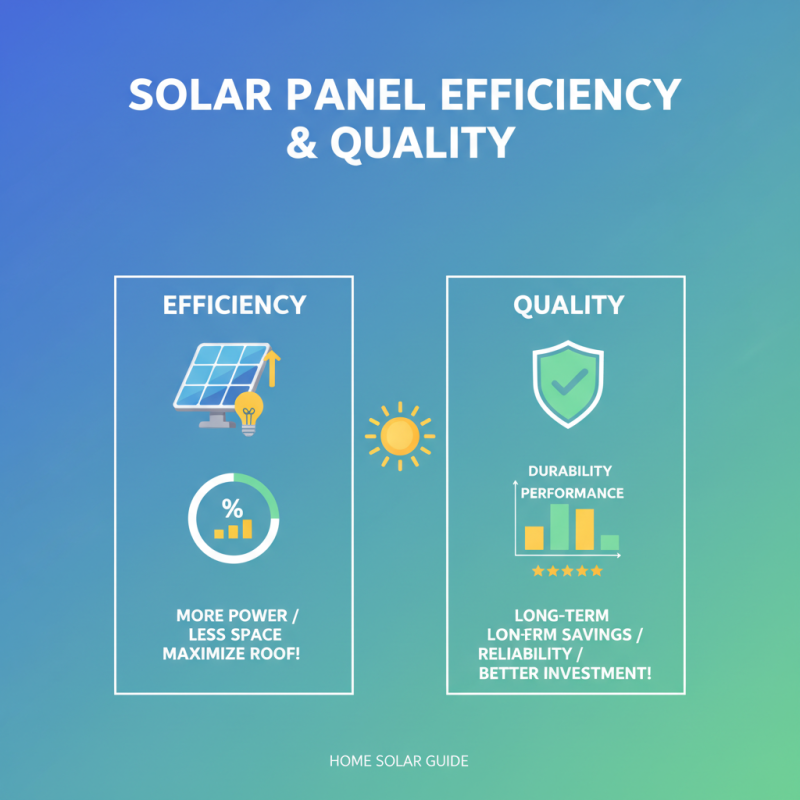
When choosing a solar power system for your home, evaluating solar panel efficiency and quality ratings is crucial. Efficiency refers to how effectively a solar panel converts sunlight into usable electricity. A higher efficiency rating often indicates that a panel requires less space to generate the same amount of power compared to lower-rated alternatives. This is especially important for homeowners with limited roof space, as maximizing energy production while minimizing physical footprint is a key consideration.
Quality ratings are equally essential when selecting solar panels. These ratings assess the durability and reliability of the panels, providing insight into their lifespan and performance under various weather conditions. Homeowners should seek panels with certifications from recognized organizations, which signify that the panels have undergone rigorous testing and meet industry standards. Additionally, looking for warranties can further ensure that the investment is protected; longer warranties often reflect the manufacturer's confidence in their product's quality. By carefully examining both efficiency and quality ratings, homeowners can make a well-informed decision when investing in solar power systems for their homes.
Budgeting for Installation and Long-Term Maintenance Costs
When considering the installation of a solar power system for your home, budgeting for both installation and long-term maintenance costs is crucial. According to the Solar Energy Industries Association (SEIA), the average cost of a residential solar power system is between $15,000 and $25,000 before tax credits and incentives, which can significantly reduce upfront expenses. Homeowners should carefully assess their budget, taking into account that while the initial investment may be substantial, the long-term savings on utility bills can be quite significant. Research indicates that solar energy systems can lead to savings of approximately $20,000 to $40,000 over 20 years, depending on local electricity rates and the size of the solar installation.
In addition to installation costs, it’s essential to understand the ongoing maintenance expenses associated with solar systems. While solar panels are generally low-maintenance, regular inspections and occasional cleaning can incur costs. The National Renewable Energy Laboratory (NREL) suggests that homeowners should budget around $15 to $20 per month for maintenance, which includes servicing inverter systems, replacing parts, and ensuring overall system efficiency. Understanding these financial aspects will not only help you make an informed decision but also set realistic expectations for the return on your solar investment over time.